Breakthrough Study Links Gut Microbiome to Alzheimer's Disease Prevention

A 15-year longitudinal study reveals that specific gut bacteria profiles can predict and potentially prevent the onset of Alzheimer's disease decades before symptoms appear.
A groundbreaking 15-year longitudinal study involving 12,000 participants has revealed a powerful connection between gut microbiome composition and Alzheimer's disease risk. The research, published in The Lancet Neurology, found that individuals with specific profiles of gut bacteria had up to 70% lower risk of developing Alzheimer's — and that these protective profiles can be cultivated through diet and targeted probiotic interventions.
The Gut-Brain Connection
Researchers identified a consortium of five bacterial species that appear to produce neuroprotective compounds, reducing inflammation in the brain and preventing the accumulation of amyloid plaques — the hallmark of Alzheimer's disease. Conversely, participants with depleted populations of these beneficial bacteria showed significantly higher rates of cognitive decline.
"We've known for years that the gut and brain communicate, but this study provides the clearest evidence yet that the microbiome plays a direct role in neurodegeneration," said the study's lead author.
Preventive Potential
Perhaps most remarkably, the study found that microbiome-based interventions — including specific dietary changes and targeted probiotic supplements — could shift at-risk individuals toward protective bacterial profiles within six months. Participants who underwent these interventions showed measurable improvements in cognitive biomarkers.
With Alzheimer's disease affecting an estimated 55 million people worldwide and no effective cure available, the prospect of microbiome-based prevention has generated enormous interest from both the scientific community and pharmaceutical industry. Several clinical trials testing microbiome-based therapies are now being fast-tracked.
Related Articles
 Health
New Cancer Drugs Are Revolutionary. Why Don’t More Patients Get Them?
Targeted gene therapies are highly effective at stopping cancers, but the very abundance of the treatments, plus cost and sluggish change, are hindering access.
 Health
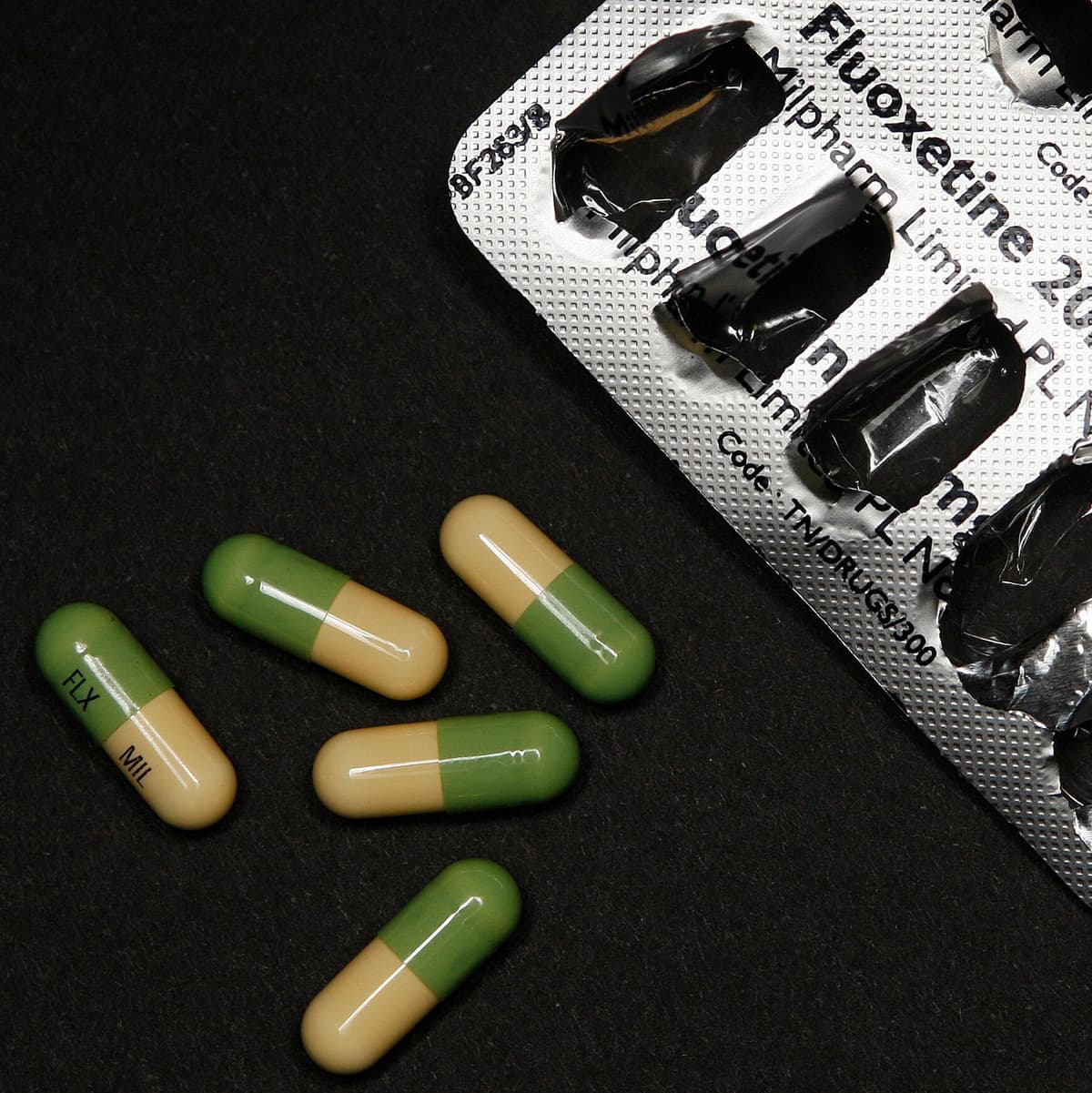
V.A. Institutes New Consent Requirements for Some Psychiatric Drugs
Veterans under 30 will have to sign forms before being given antidepressants. Medical groups fear the moves may stigmatize mental health treatment.