AI Leaders Are Calling for a Slowdown. Trump’s Team Says It’s on Them
As calls for artificial intelligence regulation intensify, US President Donald Trump’s team have made it clear that if lab leaders want to implement an industry-wide slowdown, they’re going to have to do it themselves. Anthropic chief executive Dario Amodei called on the US administration to reg...
As calls for artificial intelligence regulation intensify, US President Donald Trump’s team have made it clear that if lab leaders want to implement an industry-wide slowdown, they’re going to have to do it themselves.
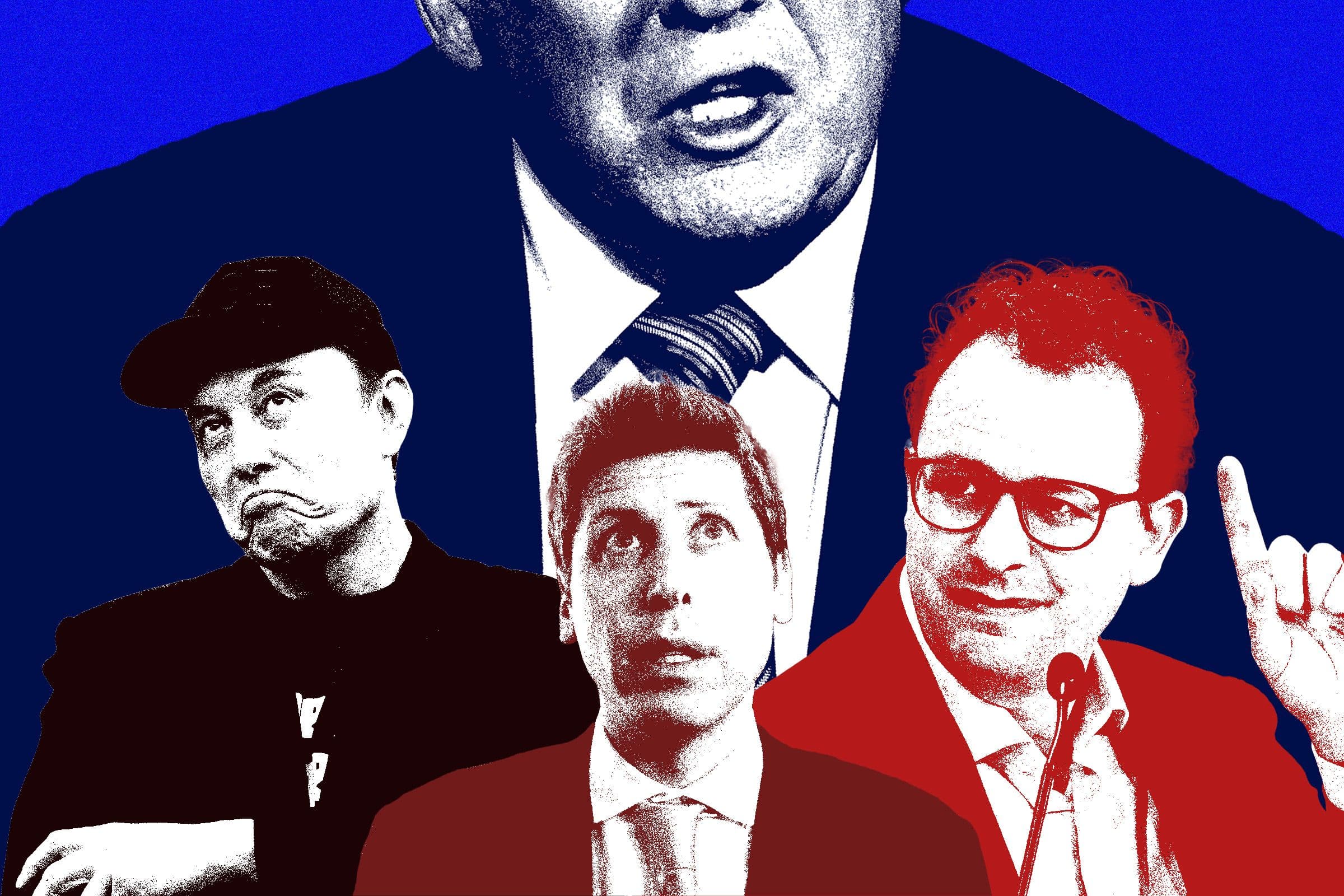
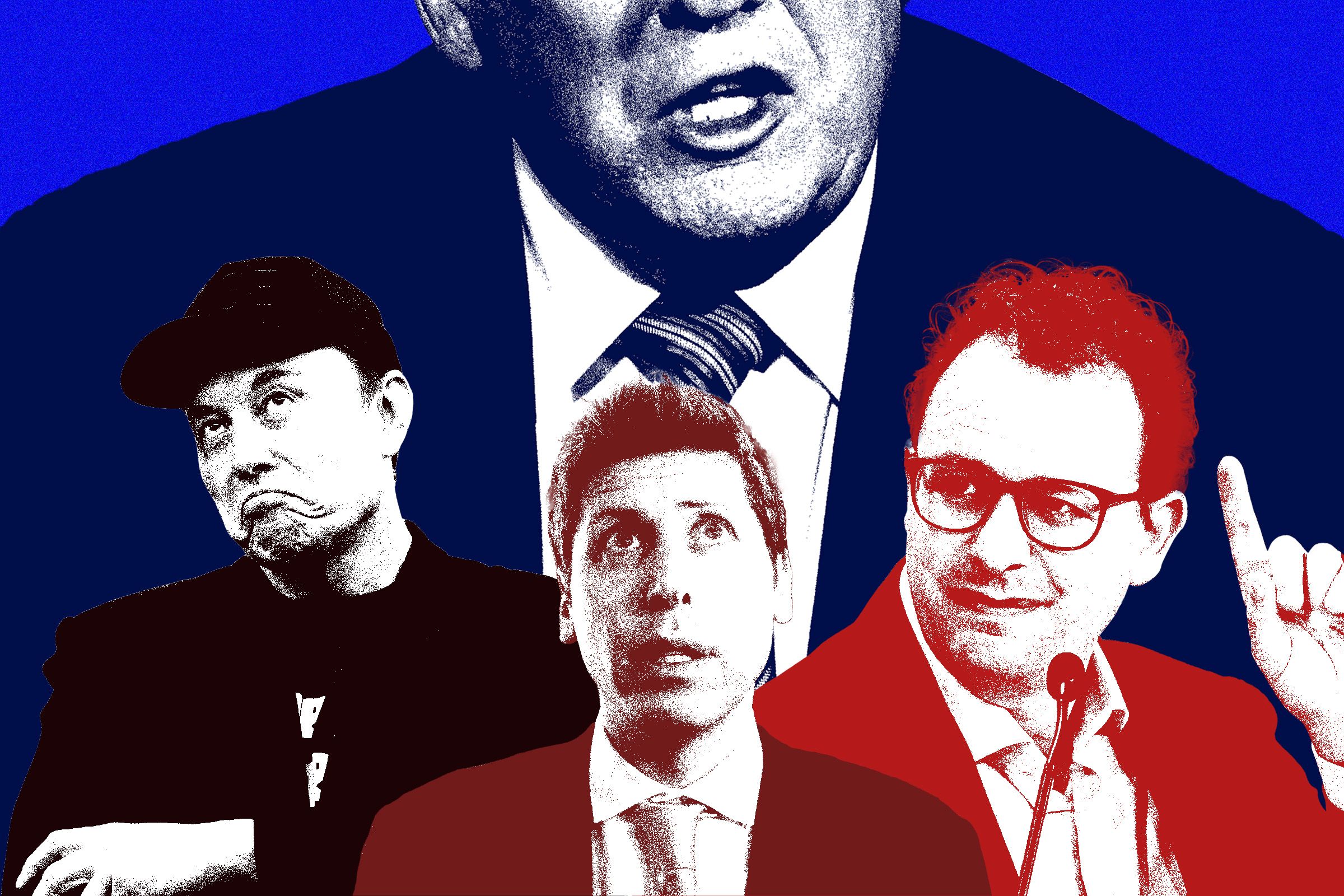
Anthropic chief executive Dario Amodei called on the US administration to regulate AI companies within a wider effort to slow the pace of the technology’s development in an essay published Saturday. The essay received rare endorsement from both OpenAI chief executive Sam Altman and Elon Musk, who owns chatbot Grok, following a week of intense debate about the technology’s threats to human safety. Microsoft chief executive officer Satya Nadella also called for pacing development.
But David Sacks, co-chair of the President’s Council of Advisors on Science and Technology, wrote on X, “If the unreleased models are scary enough that you think you should slow down, I support your decision to be responsible. But stop pretending you need anyone else’s permission. Stop pretending antitrust law has to be suspended so you can form a cartel…Most of all, stop pretending the motivation to slow down is purely altruistic.”
In a related development, amodei had requested the administration enable competing AI companies to work together on standards without breaching antitrust law, either by participating in discussions or issuing a waiver for the companies involved. He also called for government assistance in establishing international coordination, including with the Chinese Communist Party, though critics wondered how effective this would be. “China is very unlikely to join a global agreement, as you know,” Sacks wrote.
Concerns about the US ceding its lead in the technology to China have caused the US authorities to mostly push back against the notion of slowing the pace of its development. "You have a lot of very negative forces that are bringing it up that shouldn't be bringing it up and they're bringing up things that won't happen,” Trump mentioned during a visit to Ireland. "We're leading China on AI,” he added, “and, frankly, I want to keep it that way because whoever wins AI, wins."
The US largely views China’s AI ecosystem as an economic and national security threat, and has previously been caught short by the territory’s advances in the technology. "If Congress just races in and does some sort of emergency session to try to regulate AI, we will lose the race to China, and that is a threat to every single American," House Speaker Mike Johnson told CNN on Sunday. "So, we've got to have balance. We've got to have steady hands at the wheel."
In the meantime, companies say they are going to start taking voluntary steps to reestablish public trust that they are acting responsibly. On Sunday night, OpenAI’s Altman committed to a proposal by Amodei to give embedded third party evaluators employee-level access to their firms to check practices and products were safe, and report incidents. While these measures will have “notable costs,” he wrote on X: “Pacing will be well worth this cost; no amount of American competitive pressure should justify recklessness.”
Related Articles
 AI
AIEmTech Future 2026: When AI Meets Everything
Only available to MIT Technology Review subscribers. Yossi Matias, Vice President & Head of Google Research, explores how AI is beginning to reshape biology, infrastructure, manufacturing, and science, and why its greatest impact may come when it intersects with other fields. Step inside the ne...
 AI
AITrump names U.S. intelligence chief Jay Clayton as new AI czar
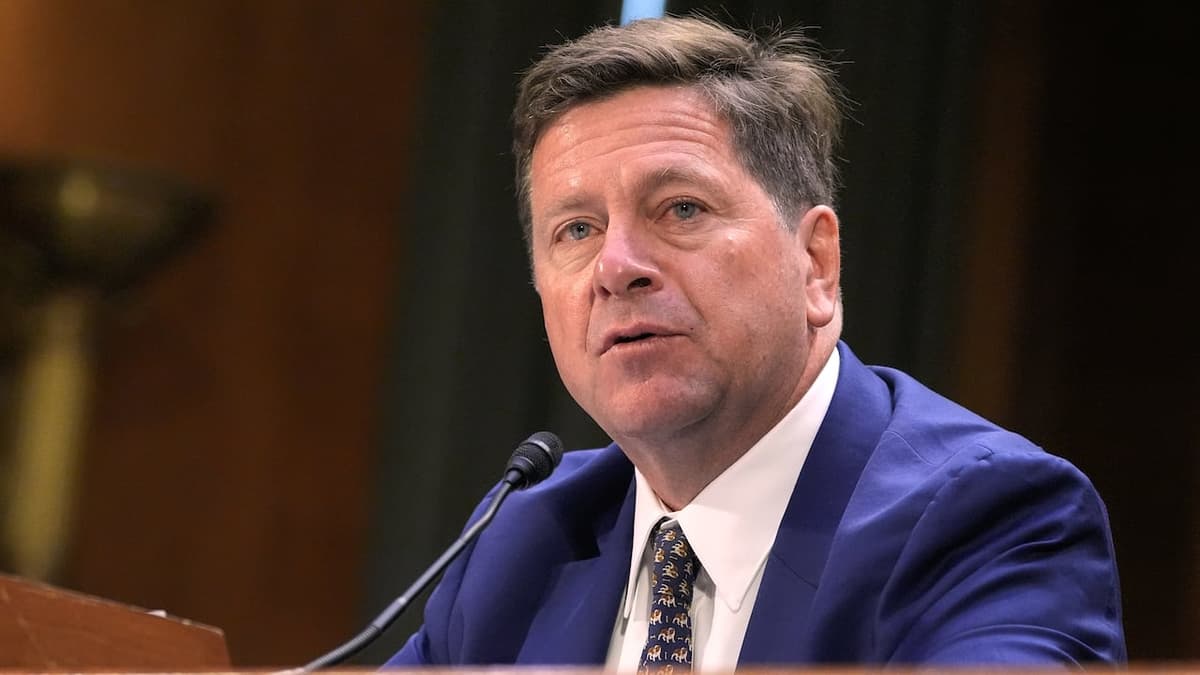
U.S. President Donald Trump stated on Sunday he had named Jay Clayton, the director of national intelligence, as the administration's artificial intelligence czar, tasking him with co-ordinating the administration's efforts to maintain U.S. leadership in the technology. Trump, who has pushed to...